
animus
nounDefinition
What Makes This Word Tick
Animus means strong hostility or ill feeling—an emotional charge that’s sharper than simple dislike. It’s the kind of negativity that feels active, like it’s pushing against something or someone. Compared with “annoyance,” animus suggests a deeper, more settled edge.
If Animus Were a Person…
Animus would be the person who walks into a room already bristling, ready to argue before anyone speaks. They keep score, they assume the worst, and their tone makes everything feel like a challenge. Even when they’re quiet, the tension is loud.
How This Word Has Changed Over Time
Animus has remained closely tied to the idea of inner attitude, and in modern English it’s strongly associated with hostility or ill will. Today it’s often used in more formal commentary—especially when describing motives, bias, or oppositional feelings. The meaning stays focused on strong negative feeling.
Old Sayings and Proverbs
A proverb-style idea that matches animus is that anger kept too long hardens into hostility. That reflects how animus feels more entrenched than a passing irritation.
Surprising Facts
Animus often appears in serious contexts—debates, disputes, and discussions of bias—because it names a motive-like hostility. It can describe feelings toward a person, a group, or even an idea or policy. The word’s tone is sharper and more formal than everyday “grudge.”
Out and About With This Word
You’ll commonly see animus in commentary, analysis, and formal discussions where people describe underlying hostility in conflicts. It fits workplace disputes, political disagreements, legal arguments, and any setting where emotions affect decisions. It’s especially useful when the hostility seems persistent, not momentary.
Pop Culture Moments Where Animus Was Used
In pop culture, animus is the fuel behind rivalries—characters driven by resentment, bitterness, or deep opposition. It shows up in storylines where conflict isn’t just a misunderstanding, but an ongoing hostility that shapes choices. The concept is compelling because it makes tension feel personal and durable.
The Word in Literature
In literary writing, animus can quickly sketch a character’s underlying hostility without long explanation. It’s useful for describing motives, tension, and the emotional undercurrent of a scene. The word adds a controlled, analytical feel—like the narrator is naming what’s really driving the conflict.
Moments in History with Animus
The concept of animus appears throughout history wherever disputes become entrenched and hostility outlasts the original issue. It fits long-running feuds, factional conflicts, and periods where suspicion or resentment drives decisions. The idea helps explain how conflict can persist even when circumstances change.
This Word Around the World
Across languages, this idea is usually expressed through words that mean “hostility,” “ill will,” or “resentment,” though the exact strength can vary. Some terms emphasize anger, while others emphasize bias or opposition. The common thread is a strong negative disposition toward someone or something.
Where Does It Come From?
Animus comes from Latin, where it referred to the mind or inner disposition, and that sense of an inner stance still echoes in modern usage. In English, it has settled into naming a hostile disposition—ill will that feels rooted inside. The origin helps explain why it can sound like motive, not just mood.
How People Misuse This Word
People sometimes use animus for mild annoyance, but the word usually implies stronger, more persistent hostility. Another misuse is leaving the target unclear; animus typically points toward something—animus toward a person, group, idea, or decision.
Words It’s Often Confused With
Animus overlaps with “animosity,” but animus can sound more formal and motive-like. It’s also close to “resentment,” though resentment often implies nursing a past wrong. And it differs from “disagreement,” which can exist without hostility.
Additional Synonyms and Antonyms
Additional Synonyms: resentment, bitterness, rancor, malice Additional Antonyms: warmth, amity, benevolence, goodwill
Want to Try It Out in a Sentence?
"His animus toward the policy was evident during the heated debate."
Explore more words

innovation
[in-uh-vey-shuhn]
the introduction of new ideas, methods, or products; the act of innovating.
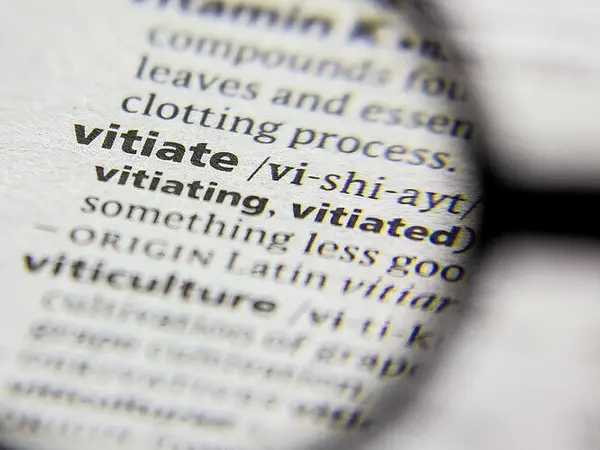
vitiate
[vish-ee-eyt]
to corrupt and debase

drowse
[drouz]
to be dull or sluggish

objectivity
[obj-ekt-iv-ity]
the quality of being impartial, unbiased, and based on facts rather than personal feelings.

avaricious
[av-uh-rish-uhs]
characterized by avarice; greedy; covetous

treacle
[tree-kuhl]
contrived or unrestrained sentimentality

prosperous
[pros-per-uhs]
having or characterized by financial success or good fortune; flourishing; successful

encroaching
[en-kroh-ching]
advancing beyond proper, accepted, or usual limits; making gradual inroads into or onto something

diegetic
[dahy-uh-jet-ik]
(of sound in a movie, television program, etc.) occurring within the context of the story and able to be heard by the characters

exploit
[ex-plo-oit]
make full use of and derive benefit from

cachinnate
[kak-uh-neyt]
to laugh loudly or immoderately

matutinal
[muh-toot-n-l]
pertaining to or occurring in the morning; early in the day

cynosure
[sahy-nuh-shoor]
something that strongly attracts attention by its brilliance, interest, etc.

czar
[zahr]
(with a capital letter) the former ruler of Russia

virtuoso
[vur-choo-oh-soh]
a person who excels in musical technique or execution

dubious
[doo-bee-uhs]
doubtful; marked by or occasioning doubt