
rufescent
adjectiveDefinition
What Makes This Word Tick
"Rufescent" might sound fancy, but it simply describes something turning reddish or tinged with red. Think of those lovely autumn leaves or a blush creeping into someone's cheeks.
If Rufescent Were a Person…
Picture Rufescent as an artist who always has paint on their fingers-pink and red shades, of course. They'd have a wardrobe of cozy sweaters that match the autumnal leaves, and they'd probably bake excellent cranberry scones.
How This Word Has Changed Over Time
Rufescent hasn't gone through much of a makeover since it started describing things with a reddish tint. It has stayed true to its Latin roots, keeping that classic hue alive through centuries.
Old Sayings and Proverbs That Use Rufescent
While no ancient proverbs directly shout "rufescent," many old sayings celebrate the beauty of nature, which this word evokes. Imagine something like, "As leaves rufescent in twilight, so beauty blooms with age."
Surprising Facts About Rufescent
"Rufescent" is a favorite among ornithologists! Birdwatchers often use it to describe feathered friends with slightly red tones, like certain species of hawks or owls.
Out and About With This Word
Call it out next time you see one of those breathtaking red sunsets. You'll find the sky isn't the limit for a word like "rufescent"-it's the canvas.
Pop Culture Moments Where Rufescent Was Used
While "rufescent" hasn't taken the Hollywood spotlight, you might hear it used by an art critic or a character with a flair for dramatic descriptions of changing leaves or sunset hues.
The Word in Literature
Rufescent fits into lyrical prose or poetic settings, where scenes brim with vivid imagery. Think of it nestled comfortably in a nature-themed poem or setting the scene in a novel's autumn passage.
Moments in History with Rufescent
The late 1800s saw the flourishing of detailed scientific literature, where "rufescent" could have perfectly described the era's growing fascination with the natural world's intricacies.
This Word Around the World
In French, the word "rougeâtre" captures the essence of "rufescent," while in Spanish, you might use "rojizo." Across languages, the idea of things going red remains charmingly universal.
Where Does It Come From?
"Rufescent" derives from the Latin “rufescere,” meaning "to grow red." Before you know it, things like leaves and cheeks caught on to this transformation, giving us the word we love today.
How People Misuse This Word
People might use "rufescent" to describe anything red, forgetting it specifically refers to things becoming red or tinged with that color-a subtle but critical distinction!
Words It's Often Confused With
- Ruddy: Similar in hue but more about a natural red color.
- Crimson: A deep, intense red, while "rufescent" is softer.
- Scarlet: A bright red, which can be confusing, but it's usually more vivid than "rufescent."
Additional Synonyms and Antonyms
Synonyms include ruddy, reddish, and flushed. Antonyms would be pale, wan, or even sallow, capturing a lack of color.
Want to Try It Out in a Sentence?
"As the sun began to set, the clouds took on a rufescent glow, painting the sky in warm shades of evening."
Explore more words

flibbertigibbet
[flib-er-tee-jib-it]
a frivolous, flighty, or excessively talkative person

skittish
[skit-ish]
restlessly or excessively lively

beset
[bih-set]
to trouble or surround persistently

ichor
[ahy-kawr]
from Classical Mythology: the blood of the gods

noob
[noob]
a newbie, especially a person who is new to an online community and whose online participation and interactions display a lack of skill or knowledge

histrionics
[his-tree-on-iks ]
dramatic representation; theatricals; acting

fabricate
[fab-ri-keyt]
to make by art or skill and labor; construct

cosmopolitan
[koz-muh-pol-i-tn]
free from local, provincial, or national ideas, prejudices, or attachments; at home all over the world

comely
[kuhm-lee]
pleasing in appearance; attractive; fair

annexing
[an-ek-sing]
to add or attach something, especially territory

dilute
[dih-loot]
to make less concentrated ; to diminish the strength or flavor of something.

hinder
[hin-der]
to cause delay, interruption, or difficulty in; hamper; impede
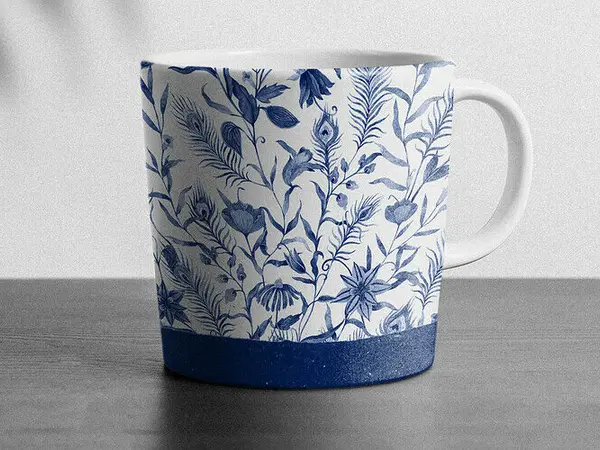
millefleur
[meel-flur]
having a background sprinkled with representations of flowers, as certain tapestries or pieces of glasswork
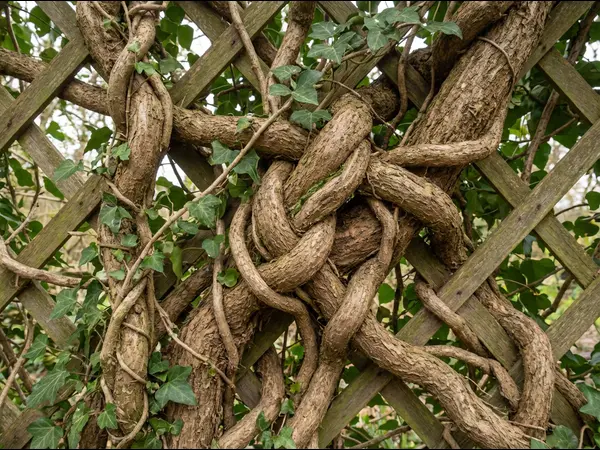
entwine
[en-twyn]
to twist or coil something around another

humility
[hyoo-mil-i-tee]
the quality of having a modest or low view of one’s importance

effortlessly
[ef-ert-lis-lee]
in a way that requires little or no effort.