
monocracy
nounDefinition
What Makes This Word Tick
Ah, monocracy! A word that tickles both the tongue and the mind. It's a term rooted in governance and politics, suggesting a system where power rests with a single individual. Despite sounding like a distant cousin to "monarchy," it's distinct in its own right, focusing more on the concentration of authority than on regal heritage.
If Monocracy Were a Person…
Imagine monocracy as that stern uncle at family gatherings who insists on the TV remote being in his hands, no questions asked! He doesn't juggle authority and prefers doing things his way, running the show solo. It's his way or the highway, and he makes sure everyone knows it - all with a determined glint in his eye.
How This Word Has Changed Over Time
The concept behind monocracy has been around for centuries, though its label might have evolved. From ancient times with singular rulers to more modern dictatorships, the central theme of concentrated power has remained unchanged. Its nuances have shifted with attitudes towards governance and individual rights.
Old Sayings and Proverbs That Use Monocracy
While the word itself may not star in any classic proverbs, its spirit is echoed in sayings like "Power tends to corrupt, and absolute power corrupts absolutely." This famous line by Lord Acton captures the essence of monocracy's potential risks.
Surprising Facts About Monocracy
Did you know that monocracy isn't always synonymous with tyranny? Some argue it's a more efficient form of governance in times of crisis, cutting through red tape. History shows examples where rapid decision-making by a single authority has been credited with swift actions and resolutions.
Out and About With This Word
You'll often find "monocracy" making appearances in political science discussions and analyses of government systems. It's a favorite among academics and is occasionally dropped into news commentaries when describing regimes with little to no checks and balances.
Pop Culture Moments Where Monocracy Was Used
While monocracy hasn't been the star of any major Hollywood blockbusters, its essence plays out in countless films featuring lone leaders calling the shots - think dystopian futures and power-centric narratives like "V for Vendetta."
The Word in Literature
Monocracy nestles comfortably within the pages of political theory books and dystopian novels. Orwell's "1984" or Huxley's "Brave New World" are prime landscapes where ideas of concentrated power take thematic precedence, even if the word itself isn't mentioned.
Moments in History with Monocracy
Though monocracy isn't a term frequently spotlighted in historical texts, its concept is embodied by many famous figures, like Napoleon Bonaparte and Julius Caesar. These leaders exemplified the concentration of power, often changing the course of history with singular visions.
This Word Around the World
In various languages, the idea of monocracy translates to terms that literally mean "single rule" or "one ruler," much like in English. In different political climates, however, its perception can swing from negatively oppressive to admirably decisive.
Where Does It Come From?
Monocracy finds its roots in Greek, like many political terms. It's a blend of "mono," meaning "alone" or "single," and "kratos," meaning "power" or "rule." Simple yet potent, much like the governance style it describes.
How People Misuse This Word
Sometimes, monocracy is hastily applied to any form of government with a strong leader - a simplification that overlooks its specific nature of absolute power by one individual as opposed to oligarchies or balanced practices.
Words It's Often Confused With
- Monarchy: Both involve singular leadership, but monarchy implies a hereditary or regal context.
- Autocracy: Similar in governance style, however, autocracy is broader, encompassing different kinds of dictatorial regimes.
- Dictatorship: Although a form of monocracy, dictatorship often implies a coercive power approach.
Additional Synonyms and Antonyms
Synonyms include autocracy, dictatorship, and imperium. Antonyms feature democracy, republic, and polyarchy.
Want to Try It Out in a Sentence?
"Throughout certain periods in history, monocracy has been both lauded for its decisiveness and criticized for its lack of individual freedoms."
Explore more words

coleus
[koh-lee-uhs]
any of several old world herbs of the mint family that are widely cultivated for their fragrant, often colorful foliage.

attenuate
[uh-ten-yoo-eyt]
to weaken or reduce in force, intensity, effect, quantity, or value

ferment
[fer-ment]
to be fermented; undergo fermentation

repugnant
[ri-puhg-nuhnt]
in conflict with; incompatible with

beamish
[bee-mish]
beaming with happiness, optimism, or anticipation

evince
[ev-inc-nce]
to show, reveal
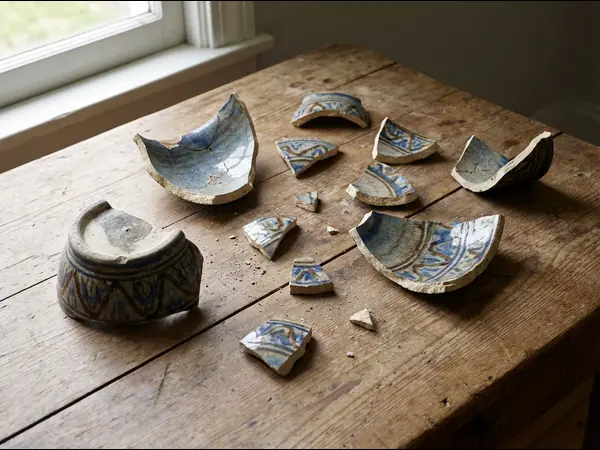
fragmentary
[fr-agm-ent-ary]
consisting of small, incomplete parts or pieces.
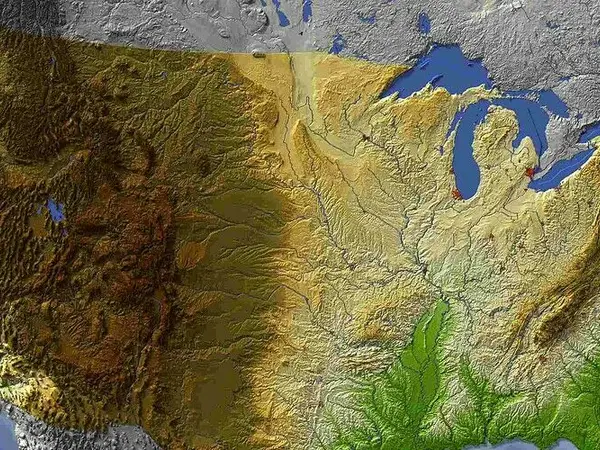
conterminous
[kuhn-tur-muh-nuhs]
having a common boundary

sartorial
[sahr-tawr-ee-uhl]
of or relating to clothing or style or manner of dress

epistemology
[ih-pis-tuh-mol-uh-jee]
a branch of philosophy that investigates the origin, nature, methods, and limits of human knowledge

supplicate
[suhp-li-keyt ]
to pray humbly; make humble and earnest entreaty or petition

suffuse
[suh-fyooz]
to overspread with or as with a liquid, color, etc.

bewitched
[b-ew-itch-ed]
enchanted or under a magical spell; also refers to being captivated or charmed.

intellectual
[in-tuh-lek-choo-uhl]
a person possessing a highly developed ability to think, reason, and understand; relating to the intellect

verisimilitude
[ver-uh-si-mil-i-tood]
the appearance of truth; the quality of seeming to be true

meander
[mee-an-der]
to proceed by or take a winding or indirect course