
logical
nounDefinition
What Makes This Word Tick
Logical describes thinking or conclusions that follow clear reasoning from facts and principles. It belongs to moments where one idea connects properly to the next. The word suggests order in thought rather than confusion or contradiction.
If Logical Were a Person…
Logical would be the calm thinker who lays each point down in a clean line and makes the answer seem almost inevitable. They are orderly, persuasive, and steady under pressure. Their strength lies in showing how things fit together.
How This Word Has Changed Over Time
The meaning of logical has stayed closely tied to reasoned thought and valid connection between ideas. It still carries the sense of something making sense through structure, not just sounding plausible.
Old Sayings and Proverbs
A proverb-style idea that fits logical is that a strong answer must stand on more than feeling alone. That matches the word because logical thinking depends on reasoned support.
Surprising Facts
Logical is used far beyond formal philosophy or math. People apply it to everyday decisions, arguments, plans, and explanations whenever they want to show that the thinking holds together. That makes it one of the most practical thinking words in English.
Out and About With This Word
You will hear logical in classrooms, workplaces, debates, and everyday conversation about what makes sense. It fits problem-solving, planning, and any situation where reasoning needs to be clear. The word is especially useful when order in thought matters more than emotion or guesswork.
Pop Culture Moments Where Logical Was Used
The concept behind logical appears in detective stories, science fiction, strategy scenes, and any plot where careful reasoning solves what emotion alone cannot. It works because audiences enjoy seeing order emerge from confusion. That makes the idea central to many intellectual dramas.
The Word in Literature
In literature, logical often marks voices or characters that value structure, analysis, and coherence. Writers use it when they want thought to move in visible steps. The word helps arguments feel built rather than improvised.
Moments in History with Logical
The concept of logical reasoning belongs to historical moments shaped by philosophy, science, law, and careful argument in public life. It fits times when clarity of thought changed how people explained the world.
This Word Around the World
Across languages, related terms connect logic, reason, and coherent thought, even if the everyday tone differs. The idea of clear thinking built from valid steps is widely shared.
Where Does It Come From?
Logical comes through Late Latin from Greek roots associated with reason, speech, and thought. Its origin supports the modern sense of reasoning that follows sound principles.
How People Misuse This Word
People sometimes call something logical merely because it feels convenient or familiar, but the word works best when the reasoning truly follows from evidence or clear principles. It implies more than personal preference.
Words It’s Often Confused With
Rational is close, though it can stress sound judgment more broadly. Sensible often sounds more practical and everyday. Reasonable overlaps strongly, but logical more specifically emphasizes structured reasoning and valid connection.
Additional Synonyms and Antonyms
Additional Synonyms: coherent, systematic, well-reasoned Additional Antonyms: incoherent, contradictory, unsound
Want to Try It Out in a Sentence?
"The solution to the problem was logical, following a clear line of reasoning."
Explore more words

flatten
[fl-att-en]
to make something level, smooth, or less prominent.

supplicate
[suhp-li-keyt ]
to pray humbly; make humble and earnest entreaty or petition

assorted
[ass-ort-ed]
made up of different kinds, often arranged together; varied or diverse.
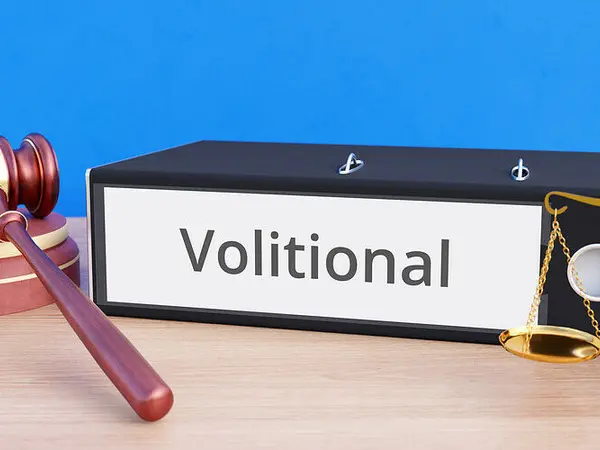
volitional
[voh-lish-uh-nl]
done of one’s own will or choosing; deliberately decided or chosen

downtime
[doun-tahym]
a period when something is not operational or active

trisect
[trahy-sekt]
to divide into three parts, especially into three equal parts
jurisprudence
[joor-is-prood-ns]
a legal system

mnemonic
[ni-mon-ik]
assisting or intended to assist the memory.

tergiversate
[tur-ji-ver-seyt]
to repeatedly change one's attitude or opinions with respect to a cause, subject, etc.

eucatastrophe
[yoo-kuh-ta-struh-fee]
a sudden and favorable resolution of events in a story; a happy ending

open
[oh-puhn]
not closed or locked; accessible to others

cherubic
[chuh-roo-bik]
having a plump, pretty innocence

brawl
[br-awl-awl]
a rough or noisy fight or quarrel.

punctilious
[puhngk-til-ee-uhs]
extremely attentive to punctilios; strict or exact in the observance of the formalities or amenities of conduct or actions; showing great attention to detail or correct behavior

pylon
[pay-lon]
a marking post or tower for guiding aviators, frequently used in races

kvetch
[kvech]
to complain, especially chronically