
heartened
verbDefinition
What Makes This Word Tick
Heartened describes a shift from doubt or discouragement toward renewed optimism. It suggests that something has restored confidence or lifted spirits. Unlike pleased, which can be mild, heartened implies a meaningful emotional boost.
If Heartened Were a Person…
If this word were a person, it would be someone who regains confidence after a setback. They stand a little taller and speak with renewed hope. Their outlook brightens because something reassured them.
How This Word Has Changed Over Time
Heartened comes from the verb hearten, meaning to give courage or confidence. Its core meaning has remained steady, centered on emotional strengthening. Over time, it has become common in news and formal writing to describe improved morale.
Old Sayings and Proverbs
Proverb-style wisdom often reminds us to “take heart” in difficult times. This phrase captures the same idea of being heartened by encouragement or hopeful signs.
Surprising Facts
Heartened often appears after discouraging events, marking a turning point. It is frequently used in collective contexts, such as teams or communities. The word subtly signals recovery rather than simple happiness.
Out and About With This Word
You’ll see heartened in reports about progress, recovery, or positive developments. It commonly appears when describing how good news changes attitudes. The term fits moments when confidence begins to return.
Pop Culture Moments Where Heartened Was Used
In storytelling, characters are often heartened by unexpected support or a small victory. This renewed hope pushes them to continue striving. The word captures emotional resilience.
The Word in Literature
Authors use heartened to show internal transformation after adversity. It marks the emotional lift that follows reassurance or encouragement. The term signals movement toward renewed determination.
Moments in History with Heartened
Communities have been described as heartened after receiving hopeful updates during challenging times. The word emphasizes collective morale rising. It reflects the power of positive change.
This Word Around the World
Many languages express this idea through phrases meaning to strengthen the heart or spirit. The metaphor of the heart as a source of courage appears widely. The emotional shift from discouragement to hope is universal.
Where Does It Come From?
Heartened derives from heart, symbolizing courage and spirit, combined with the verb-forming suffix -en. Its roots trace back to Old English heorte. The structure directly suggests giving strength to the heart.
How People Misuse This Word
People sometimes use heartened to mean merely happy, but the word implies encouragement after difficulty. It is most accurate when optimism follows discouragement.
Words It’s Often Confused With
Heartened is often confused with delighted, but delighted suggests joy rather than restored courage. It can also be mistaken for relieved, which focuses on reduced anxiety rather than renewed confidence.
Additional Synonyms and Antonyms
Additional Synonyms: reassured, emboldened, strengthened Additional Antonyms: dispirited, dejected, downcast
Want to Try It Out in a Sentence?
"The encouraging message heartened the volunteers and renewed their commitment to the cause."
Explore more words

glean
[gleen]
to collect or gather anything little by little or slowly

encroaching
[en-kroh-ching]
advancing beyond proper, accepted, or usual limits; making gradual inroads into or onto something

fatuous
[fach-oo-uhs]
foolish or inane, especially in an unconscious, complacent manner; silly; witless

elusive
[ih-loo-siv]
eluding or failing to allow for or accommodate a clear perception or complete mental grasp; hard to express or define

functional
[fuhngk-shuh-nl]
designed to be practical and useful

beamish
[bee-mish]
beaming with happiness, optimism, or anticipation

largess
[la-rge-ess]
the generous giving of lavish gifts
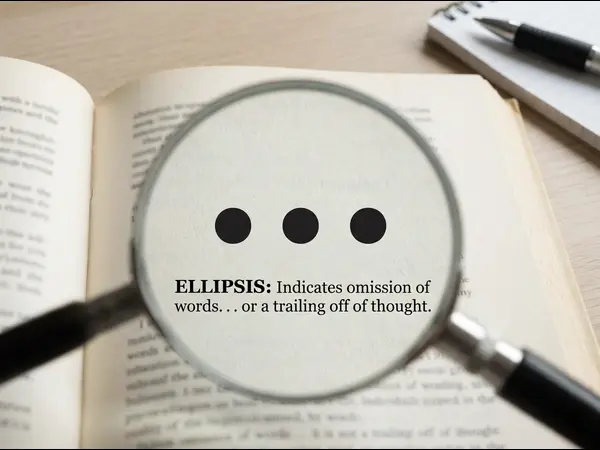
ellipsis
[ih-lip-sis]
omission of one or more words that are obviously understood but must be supplied to make a construction grammatically complete.

malapropism
[mal-uh-prop-iz-uhm]
an act or habit of misusing words ridiculously, especially by the confusion of words that are similar in sound

complacency
[kuhm-pley-suhn-see ]
a feeling of quiet pleasure or security, often while unaware of some potential danger, defect, or the like; self-satisfaction or smug satisfaction with an existing situation, condition, etc.

humility
[hyoo-mil-i-tee]
the quality of having a modest or low view of one’s importance

ambrosial
[am-broh-zhuhl]
exceptionally pleasing to taste or smell; especially delicious or fragrant

comely
[kuhm-lee]
pleasing in appearance; attractive; fair

blemish
[bl-emi-ish]
an imperfection, flaw

umami
[oo-mah-mee]
a strong meaty taste imparted by glutamate and certain other amino acids: often considered to be one of the basic taste sensations along with sweet, sour, bitter, and salty

pylon
[pay-lon]
a marking post or tower for guiding aviators, frequently used in races