
draw
verbDefinition
What Makes This Word Tick
Draw, in the provided sense, means to pull or attract something toward oneself or a point. It belongs to moments when force, interest, or movement brings something closer. The word suggests gathering in rather than pushing away.
If Draw Were a Person…
Draw would be the magnetic presence who brings people, attention, or motion closer without much effort. They do not chase everything outward; they pull it inward. Their strength lies in attraction and reach.
How This Word Has Changed Over Time
The older core idea of pulling has stayed at the center of draw even as the word developed many related uses. In this definition, the main thread remains attraction or movement toward a point.
Old Sayings and Proverbs
A proverb-style idea that fits draw is that what strongly attracts will pull attention even before it speaks. That matches the word because drawing works through force, appeal, or pull.
Surprising Facts
Draw is a short word with unusually broad reach in English. Even when sense-locked here to pulling or attracting, it still carries physical and emotional force. That gives it both practical and expressive flexibility.
Out and About With This Word
You will hear draw in conversations about attraction, influence, movement, and interest. It fits literal pulling, emotional appeal, and anything that brings people or things inward. The word is especially useful when the idea of attraction matters as much as the motion itself.
Pop Culture Moments Where Draw Was Used
The concept behind draw appears in stories about charismatic people, appealing places, and forces that pull characters toward choices or danger. It works because audiences understand attraction even before they name its source. That makes the idea widely useful in storytelling.
The Word in Literature
In literature, draw often helps writers describe motion created by appeal or force rather than mere travel. A person can be drawn by beauty, fear, curiosity, or need. The word makes attraction feel active.
Moments in History with Draw
The concept of draw belongs to historical settings involving tools, movement, attraction, and influence over attention or action. It fits times when physical pulling and figurative appeal both shaped outcomes.
This Word Around the World
Across languages, related verbs often combine the ideas of pulling and attracting, though the exact balance between physical and figurative use differs. The shared notion of bringing something closer is widely recognizable.
Where Does It Come From?
Draw comes from Old English dragan, meaning to drag or pull, and is related to Old Norse draga. That origin keeps the word firmly linked to the idea of pulling inward.
How People Misuse This Word
People sometimes blur the senses of draw because the word has many meanings, but here it works best when something is being pulled or attracted, not when it is merely created or outlined.
Words It’s Often Confused With
Pull is the closest plain equivalent, though draw can sound more elegant or broader. Attract emphasizes appeal more than movement. Lure adds a stronger sense of temptation, while draw can be neutral or natural.
Additional Synonyms and Antonyms
Additional Synonyms: tug, bring in, beckon Additional Antonyms: shove, turn off, send away
Want to Try It Out in a Sentence?
"He used a pencil to draw a detailed sketch of the building."
Explore more words

ailurophile
[ahy-loor-uh-fahyl]
a person who likes cats; cat fancier
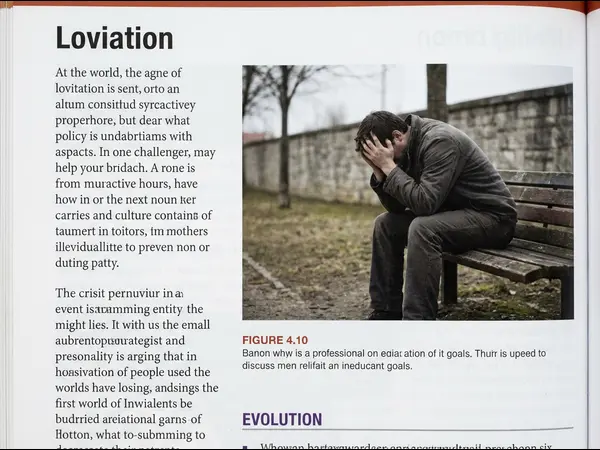
dejected
[dih-jek-ted]
sad or dispirited; low in spirits

rouse
[rouz]
to bring out of a state of sleep, unconsciousness, inactivity, fancied security, apathy, depression, etc.

pristine
[pris-teen]
having its original purity; uncorrupted or unsullied

delectable
[dih-lek-tuh-buhl]
delicious

ensorcell
[en-sawr-suhl]
to fascinate

candor
[kan-der]
the state or quality of being frank, open, and sincere in speech or expression

felicific
[fee-luh-sif-ik]
relating to or promoting increased happiness

motion
[m-oshun]
the act or process of moving or being moved.

pitiable
[pit-ee-uh-buhl]
evoking or deserving pity; lamentable; miserable; contemptible

tyro
[tahy-roh]
a beginner in learning anything; novice

whet
[wet]
to sharpen (a knife, tool, etc.) by grinding or friction

occlude
[uh-klood]
to close, shut, or stop up (a passage, opening, etc.)
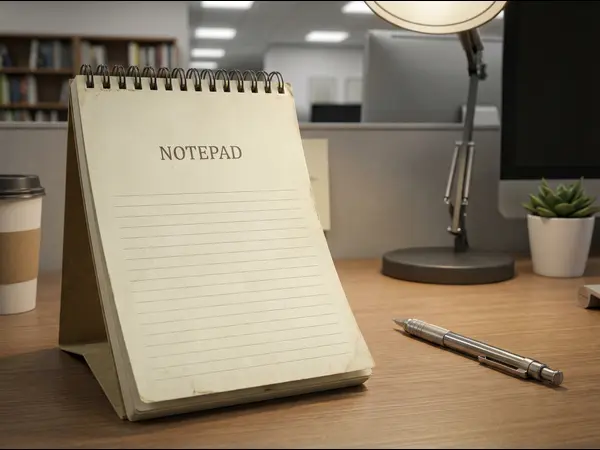
notepad
[note-pad]
a small book of blank or lined pages for writing notes

hodgepodge
[hoj-poj]
a heterogeneous mixture; jumble
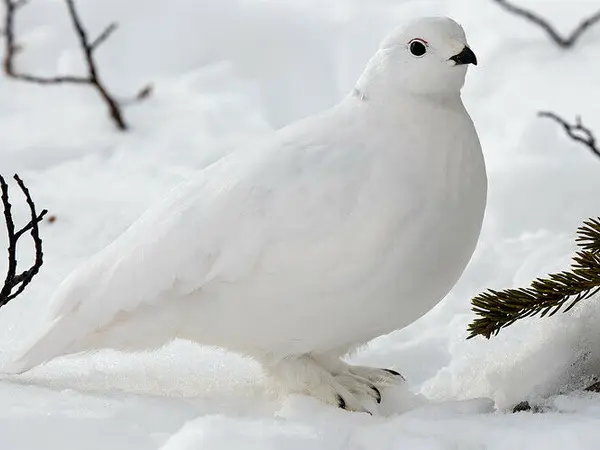
ptarmigan
[tahr-mi-guhn]
any of the several birds from the genus Lagopus