
doting
adjectiveDefinition
What Makes This Word Tick
"Doting" is the quintessential expression of fondness and affection. It's the kind of love that's brimming with tender indulgence. Think of a grandparent who simply can't resist sneaking extra cookies to their grandkids – that's doting in action.
If Doting Were a Person…
If doting were a person, it would be the warm-hearted, sweater-clad grandparent who knows all the best stories and always has time to listen. They're patient, loving, and happily go the extra mile to make you feel special.
How This Word Has Changed Over Time
Historically, "doting" has remained fairly consistent in its meaning, capturing a sense of indulgent affection. Originally derived from the Middle English "dotien," it hasn't strayed far from its affectionate roots, maintaining its emphasis on gentle love.
Old Sayings and Proverbs That Use Doting
While "doting" isn't a featured word in many old idioms, the sentiment is common: "Love me little, love me long" hints at the kind of enduring, patient affection doting signifies.
Surprising Facts About Doting
The term "doting" was once used in medical contexts in the 14th century to describe mental decline, particularly as it related to a foolish or feeble-minded state due to age. Thankfully, the modern usage is much sweeter!
Out and About With This Word
In the wild, you might spot "doting" in conversation, particularly when describing someone – often a parent or grandparent – who shows excessive fondness for their loved ones. It's a word that paints a picture of nurturing love.
Pop Culture Moments Where Doting Was Used
In countless classic TV shows and movies, the doting parent or grandparent archetype shows up as the loving backbone of the family, often offering both wisdom and comfort. Think of Marilla Cuthbert in "Anne of Green Gables."
The Word in Literature
"Doting" has a place in literature, often used to convey the depth of a character's affection. Jane Austen's novels, like "Pride and Prejudice," hold many examples where doting parents or couples highlight the themes of love and devotion.
Moments in History with Doting
During the Romantic era, poetry and prose often embraced themes of doting love, linking it with passion and devotion in works that celebrated the idealized aspects of romantic relationships.
This Word Around the World
While the concept of doting love is universal, expressions vary. In French, similar sentiment might be expressed as "adorer," whereas in Italian, one could be described as "affezionato."
Where Does It Come From?
"Doting" roots from the Middle English word "dotien," meaning to act foolishly, influenced by the Old Norse "dá" meaning "to be foolish or stupid." It evolved to emphasize the over-the-top affection we recognize today.
How People Misuse This Word
Sometimes, "doting" is misused to imply simple mindedness or naivety, rather than an affectionate fondness, due to its distant past as a synonym for foolish behavior.
Words It's Often Confused With
- Adoring: Although both involve affection, adoring implies deep respect alongside love.
- Loving: More general than "doting," which has a nuance of indulgence.
- Coddling: Suggests pampering to a point of excessive indulgence, which doting doesn't necessarily entail.
Additional Synonyms and Antonyms
Synonyms for doting include affectionate, tender, and indulgent. Antonyms would be indifferent, neglectful, and uncaring.
Want to Try It Out in a Sentence?
"Grandma was so doting, she spent her afternoons baking cookies just because she knew they were my favorite."
Explore more words
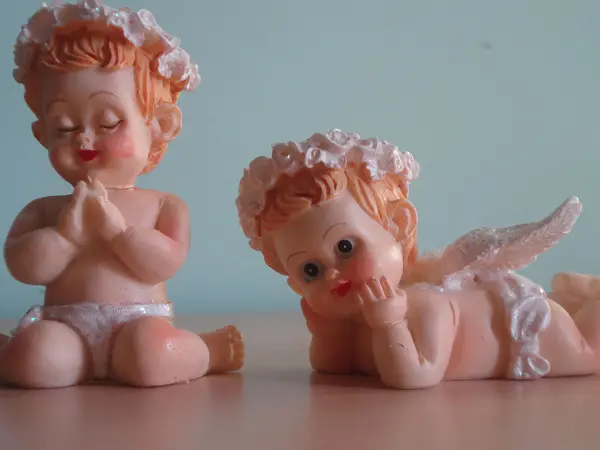
cherubic
[chuh-roo-bik]
having a plump, pretty innocence

tyro
[tahy-roh]
a beginner in learning anything; novice

militate
[mil-i-teyt]
to have a substantial effect; weigh heavily

endemic
[en-dem-ik]
natural to or characteristic of a specific people or place; native; indigenous

forage
[fawr-ij]
to wander or go in search of provisions

venerate
[ven-uh-reyt]
to regard or treat with reverence; revere

logical
[l-og-ik-al]
clear and sound reasoning based on facts and principles.

suborn
[suh-bawrn]
to bribe or induce (someone) unlawfully or secretly to perform some misdeed or to commit a crime

quintessence
[kwin-tes-uhns]
the pure and concentrated essence of a substance

prosperous
[pros-per-uhs]
having or characterized by financial success or good fortune; flourishing; successful

comely
[kuhm-lee]
pleasing in appearance; attractive; fair

candor
[kan-der]
the state or quality of being frank, open, and sincere in speech or expression

upbraid
[uhp-breyd]
to find fault with or reproach severely; censure

acerbic
[uh-sur-bik ]
sour or astringent in taste

cover
[kuhv-er]
to place something over or upon to conceal, protect, or enclose

noob
[noob]
a newbie, especially a person who is new to an online community and whose online participation and interactions display a lack of skill or knowledge