
admixture
NounDefinition
What Makes This Word Tick
"Admixture" is a slightly formal noun for a blend—different elements combined into one. It often suggests components that still feel identifiable even after mixing, like ingredients in a recipe or influences in a style. Compared with plain "mix," it sounds more deliberate and precise.
If Admixture Were a Person…
Admixture would be the thoughtful blender who loves combining traits—part practical, part creative. They’re a “best of both worlds” personality, always assembling a whole from distinct parts. They don’t erase differences; they make them work together.
How This Word Has Changed Over Time
"Admixture" has stayed close to its core meaning of “a mingling,” but its usage often depends on context. In modern writing it can appear in technical, descriptive, or formal tones, especially when someone wants a more exact word than “mix.” The meaning itself hasn’t drifted much; it’s the register that stands out.
Old Sayings and Proverbs That Use Admixture
A proverb-style idea that matches this word is that most things worth having are made from more than one ingredient. That reflects "admixture" because the word highlights how combinations create a new whole without requiring total uniformity.
Surprising Facts About Admixture
"Admixture" often feels more formal than its meaning, which is why it can elevate straightforward descriptions. It’s also useful when you want to stress that something is a combination rather than a single pure element. The word can apply to physical materials, ideas, styles, or influences—as long as “mixed together” stays the core idea.
Out and About With This Word
You’ll see "admixture" in descriptive writing about recipes, materials, or blends of influences—places where components combine into a result. It can also appear in more formal explanations, like reports or analyses, when the writer wants a precise noun for “mix.” The word fits any context where composition matters.
Pop Culture Moments Where Admixture Was Used
In pop culture, the idea behind "admixture" is everywhere: genres blending, styles mixing, and characters who are a combination of influences. Stories often celebrate the “hybrid” approach—something familiar made new through combination. The concept works because mixing elements is a fast way to create novelty.
The Word in Literature
In literary writing, "admixture" can add a precise, textured feel when describing atmosphere, character, or tone. It’s often used to show complexity—an emotion that isn’t pure, or a setting made from contrasting elements. The word helps a writer signal that multiple components are present at once.
Moments in History with Admixture
Throughout history, the concept of admixture appears whenever cultures, ideas, or practices blend through contact and exchange. It also fits material history—craft and production often rely on combining ingredients to get a desired result. The definition matches patterns where mixtures produce something new and workable.
This Word Around the World
Across languages, this idea is usually expressed through words meaning “mixture,” “blend,” or “combination,” often with a more everyday alternative available. Some languages may prefer a simpler term unless the context is technical or formal. The core concept remains: different parts combined into one.
Where Does It Come From?
The etymology ties back to Latin roots meaning “a mingling” or “mixing,” which lands directly on the modern definition. That origin explains why the word sounds slightly technical—it’s built like a precise label for the act or result of mixing. The history supports its formal tone in modern English.
How People Misuse This Word
People sometimes use "admixture" for any small addition, but it specifically means a mixture or combination, not merely an extra ingredient. Another slip is using it when “blend” would be clearer for casual audiences. If you use "admixture," it helps to make the “combined parts” idea obvious in context.
Words It’s Often Confused With
"Mixture" is the plain, everyday cousin and usually works in most cases. "Fusion" can imply a tighter merging into something new, while "admixture" can still leave the parts identifiable. "Combination" is broad, but "admixture" more strongly suggests actual mixing, not just grouping.
Additional Synonyms and Antonyms
Additional Synonyms: medley, amalgam, blend, compound, synthesis\nAdditional Antonyms: purity, separation, isolation, singularity, unmixedness
Want to Try It Out in a Sentence?
"The cake batter was an admixture of flour, sugar, eggs, and vanilla."
Explore more words

parallel
[par-uh-lel]
extending in the same direction, never meeting

whet
[wet]
to sharpen (a knife, tool, etc.) by grinding or friction

attention
[uh-ten-shuhn]
notice taken of someone or something

waft
[waft]
to carry lightly and smoothly through the air or over water

adjure
[adj-ur-e]
to earnestly request or urge someone to do something.

stultify
[stuhl-tuh-fahy ]
to render absurdly or wholly futile or ineffectual, especially by degrading or frustrating means

hazy
[hey-zee]
lacking distinctness or clarity; vague; indefinite; obscure; confused

belabor
[bih-ley-ber]
to explain, worry about, or work at (something) repeatedly or more than is necessary

discharge
[dis-chahrj]
to release or allow something to flow out
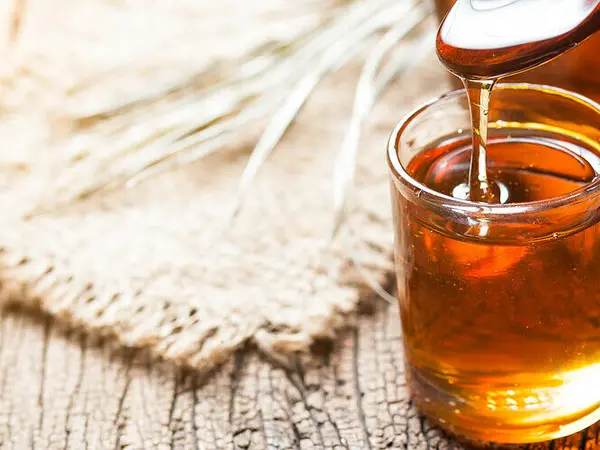
viscous
[vis-kuhs]
of a glutinous nature or consistency; sticky; thick; adhesive
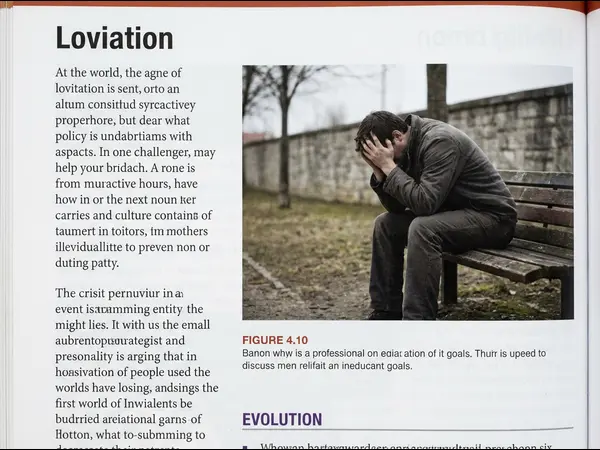
dejected
[dih-jek-ted]
sad or dispirited; low in spirits

portend
[pawr-tend]
to indicate in advance; to foreshadow or presage, as an omen does
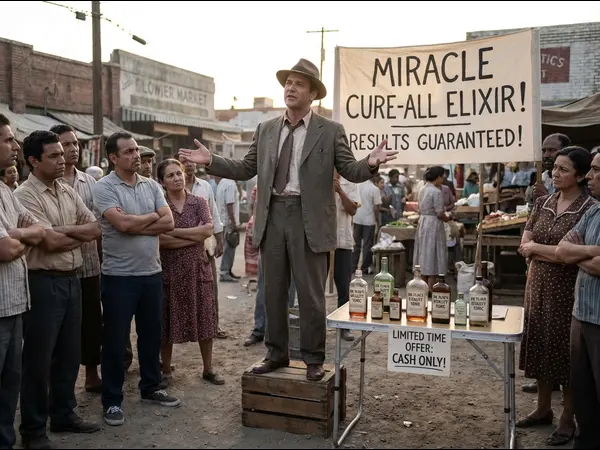
humbug
[huhm-buhg]
deceptive or false talk or behavior

largesse
[lar- jes]
generosity of spirit or attitude
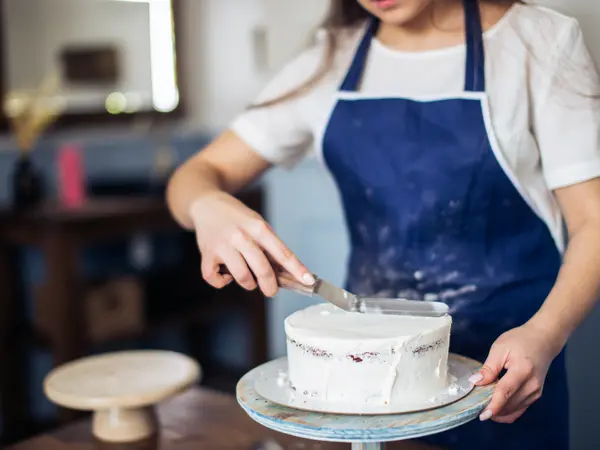
suffuse
[suh-fyooz]
to overspread with or as with a liquid, color, etc.

jocund
[jok-uhnd]
cheerful; merry; blithe; glad